Zavolajte nám
+86 0572-5911661


 En
En
 Domov / Správy / Správy z odvetvia / Výmena valcovej kancelárskej stoličky: Opravte, zistite a znova nainštalujte
2026-07-01
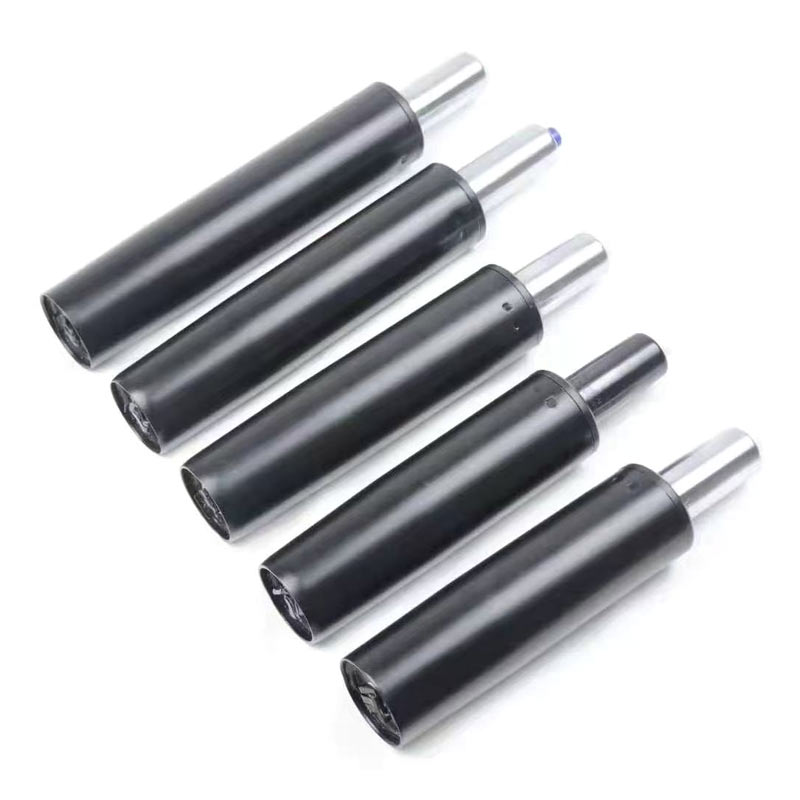
Ak stolička pomaly klesá pod váhou aj po uvoľnení páky výšky, pneumatické tesnenie vo vnútri plynovej fľaše stratilo schopnosť udržať tlak. Toto je najčastejší dôvod, prečo ľudia vyhľadávajú kancelárska stolička air cylinder fix a bohužiaľ to nie je niečo, čo by sa dalo znovu utesniť alebo naplniť – valec je utesnená jednotka a keď sa vnútorné tesnenie piestu opotrebuje, výmena je jediným trvalým riešením. Dočasné riešenie, ktoré niektorí ľudia skúšajú, ako napríklad zaklinenie hadicovej svorky okolo hriadeľa valca na uzamknutie výšky, môže fungovať niekoľko týždňov, ale spôsobuje nerovnomerné namáhanie dosky sedadla a často spôsobuje kolísanie.
Pred objednaním náhradného dielu stojí za to vylúčiť ďalšie dve bežné príčiny kývajúcej sa alebo klesajúcej stoličky: prasknutá doska sedadla (kovová konzola spájajúca sedadlo s valcom) a odizolovaný vzor montážnych skrutiek. Prevráťte stoličku a skontrolujte, či sa samotná doska sedadla neohýba alebo či nemá viditeľné praskliny v blízkosti otvorov na skrutky – ak áno, je potrebné vymeniť dosku, nie valec. Ak je tanier pevný, ale sedadlo sa stále potápa alebo sa voľne otáča, valec je potvrdeným vinníkom.
Väčšina ľudí dokáže túto opravu dokončiť za menej ako 20 minút so základnými nástrojmi. Tu je všeobecný postup pre ako vymeniť valec kancelárskej stoličky :
Stoličky používajúce plynovú fľašu triedy 4, ktorá je klasifikovaná podľa bezpečnostných noriem BIFMA, je menej pravdepodobné, že predčasne zlyhá, takže sa oplatí skontrolovať hodnotenie vyrazené na náhradnej fľaši, a nie kupovať najlacnejšiu dostupnú generickú možnosť.
Výber nesprávnej veľkosti je jednou z najčastejších chýb výmena hydraulického valca kancelárskej stoličky — napriek názvu, takmer všetky moderné kancelárske stoličky používajú skôr pneumatické (plynom plnené) valce než skutočné hydraulické, pretože plynové fľaše reagujú rýchlejšie a neunikajú tekutinou, ak sa tesnenie zhorší. Kľúčové údaje na potvrdenie pred objednávkou:
Odporúčané produkty

Zavolajte nám
+86 0572-5911661

Potrebujete podporu

ústredie
ADD:Priemyselný park Baishuiwan, okres Anji, provincia Zhejiang
Autorské práva © 2025Zhejiang Lubote Plastic Technology Co., Ltd.
Všetky práva vyhradené.Továreň na náhradné príslušenstvo kresla na mieru

